


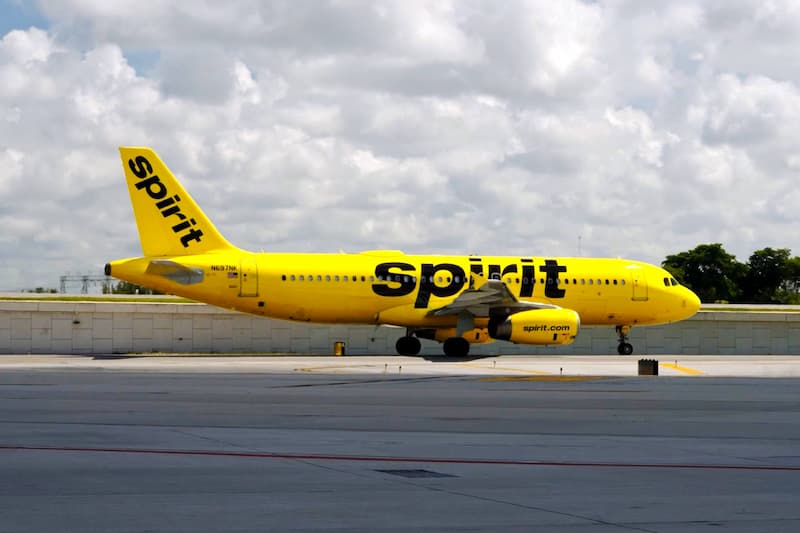
Spirit Airlines, known for pioneering the ultra‑low‑cost model in the United States, appears headed for a total shutdown following its second bankruptcy filing in less than two years. As first reported by The New York Times, the carrier halted most flight operations this week and stopped selling new tickets while awaiting federal action on a possible emergency rescue.
Spirit Airlines’ Decline
The company’s latest financial collapse stems from multiple pressures: surging fuel prices, a debt load exceeding $2.8 billion, higher labor costs and a decline in passenger demand due to competition from Frontier Airlines, Allegiant Air and the “basic economy” offerings of major carriers. Its 2024 attempt to merge with JetBlue Airways unraveled after antitrust regulators blocked the deal, leaving Spirit with limited strategic options, according to AP News.
The Trump administration is considering a $500 million federal bailout to keep the airline afloat, CNN and Reuters reported. Transportation Secretary Elaine Chao said the objective would be “preserving competition for budget‑minded travelers,” emphasizing that the bailout would likely come with strict performance targets and oversight. Congressional critics labeled it a “last‑ditch subsidy,” arguing that Spirit’s cost structure is no longer sustainable in a high‑fuel environment.
Without aid, the airline faces liquidation that could affect roughly 12,000 employees and strand or refund more than 18 million annual passengers nationwide, The New York Times reported. Analysts at AP News note that even a government‑orchestrated reorganization would require significant route consolidation and fleet reductions before operations could resume.
For travel advisors, immediate client communication is critical. Spirit has told customers to expect refunds via the bankruptcy process rather than automatic transfers to other carriers. Advisors should guide travelers to file claims promptly, retain confirmation numbers, and contact credit‑card issuers if services were paid but not rendered. Protection may also be available through travel insurance policies that include supplier default clauses.
Advisors serving cost‑sensitive leisure travelers should prepare for near‑term capacity constraints in key markets such as Florida, Nevada and Texas. Ticket prices across short‑haul domestic routes could see modest increases as competitors absorb displaced demand.


