


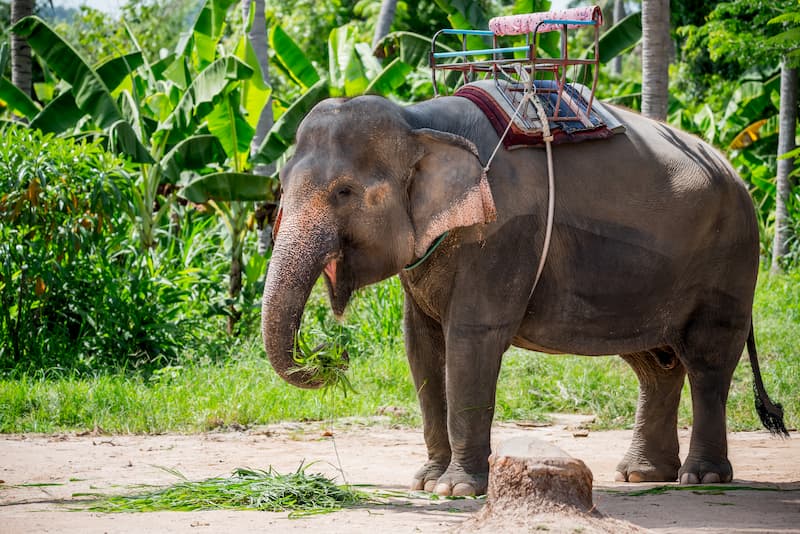
One of the most iconic—if controversial—experiences of a trip to Indonesia is no more.
The Indonesian government has banned all elephant ride concessions, citing animal welfare concerns. The Indonesian Ministry of Forestry’s Directorate General of Natural Resources and Ecosystem Conservation has halted the activity in all conservation and tourism facilities in the country.
“We reiterate that all conservation institutions are required to stop elephant riding and begin transforming themselves into more educational, innovative and ethical wildlife tourism,” said Ratna Hendratmoko, Head of the Bali Natural Resources Conservation Agency.
A Turning Point for Wildlife Tourism
The announcement led to the closure of riding operations like Bali’s Mason Elephant Park. The park, home to 27 endangered Sumatran elephants, has been one of Indonesia’s most popular tourist attractions. Officials said they would continue offering other elephant encounter experiences, such as hand-feeding, observation walks and elephant washing as part of a “new chapter” in the park’s evolution.
“As Indonesia’s only internationally certified elephant park, our commitment remains unchanged: to protect the world’s only critically endangered elephant species while building a sustainable future together with the Balinese community,” according to a notice posted by the park.
The move was applauded by groups like PETA and World Animal Protection.
“Indonesia has officially ended cruel elephant rides nationwide, marking a major step forward for compassionate tourism and a huge blow to the elephant-exploiting industry,” PETA announced on Jan. 26, saying the move was directly related to the group’s investigation of conditions at Indonesia’s elephant parks.
“PETA Asia investigators found elephants chained in bleak, concrete pens, many with open wounds and permanent scars on their heads and legs,” the animal welfare group said. “Behind the scenes, eyewitnesses caught handlers repeatedly jabbing and striking the animals with bullhooks—weapons resembling fireplace pokers with sharp metal hooks—or denying them food to force them to give rides or pose for tourist photo ops.”
PETA is working separately to ban elephant rides in Thailand.
World Animal Protection called the ban “a major victory for elephants.”
“We advocate for wildlife experiences that prioritize respect for animals’ wellbeing and education, rather than exploitation for entertainment,” such as those focusing on observation, education and conservation rather than direct contact and rides, the group said, adding, “We congratulate the Indonesian government on taking this world-leading step to safeguarding the dignity of wild animals.”


